It's a common belief:
“Our workflows aren’t that different from anyone else’s. We don’t need a custom solution.”
And in many cases, that’s true - at least on the surface.
Most businesses quote jobs, manage customers, send invoices, and track work in broadly similar ways. Off-the-shelf software exists for a reason, and for some internal processes, it can be perfectly adequate.
But here’s the part that often gets overlooked.
The Moment That Matters Most Isn’t Internal
For any business that interacts with customers online, the most important workflows aren’t always the ones your team sees every day - they’re the ones your customers experience.
Long before a customer speaks to you, emails you, or picks up the phone, they’ve already started forming an opinion:
- How easy was it to understand your offering?
- How smooth was the enquiry or booking process?
- Did it feel tailored to their needs - or generic?
- Did it feel like every other business they just compared you to?
That first point of contact often happens before direct engagement - and it’s where differentiation really begins.
Same Tools In, Same Experience Out
If you and your competitors are all using:
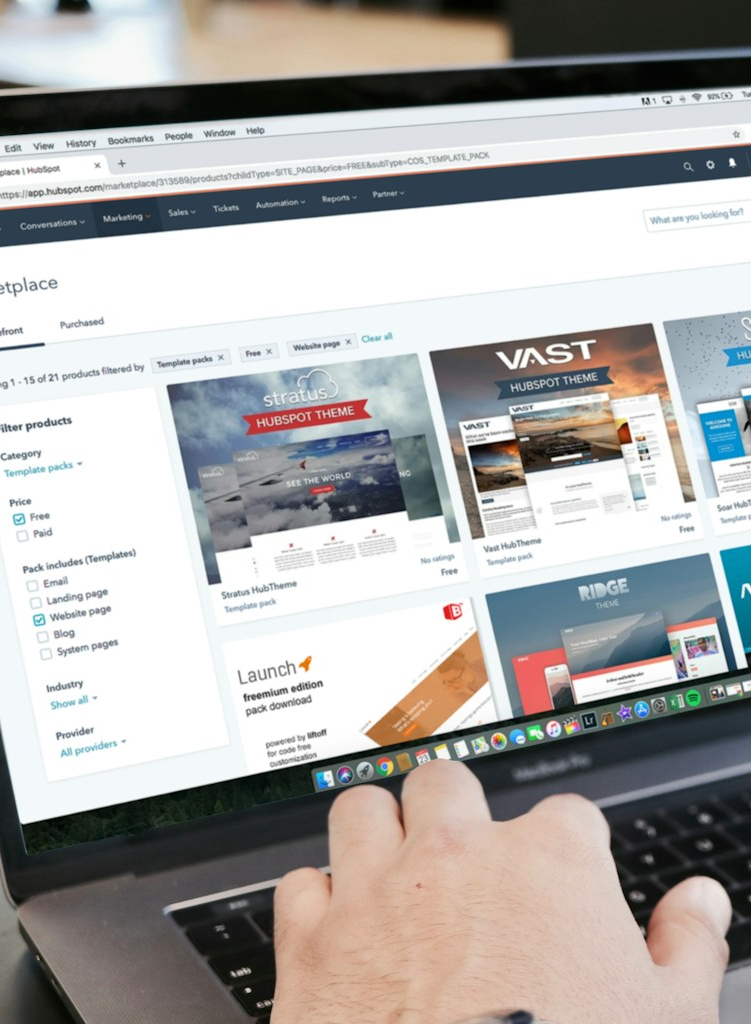
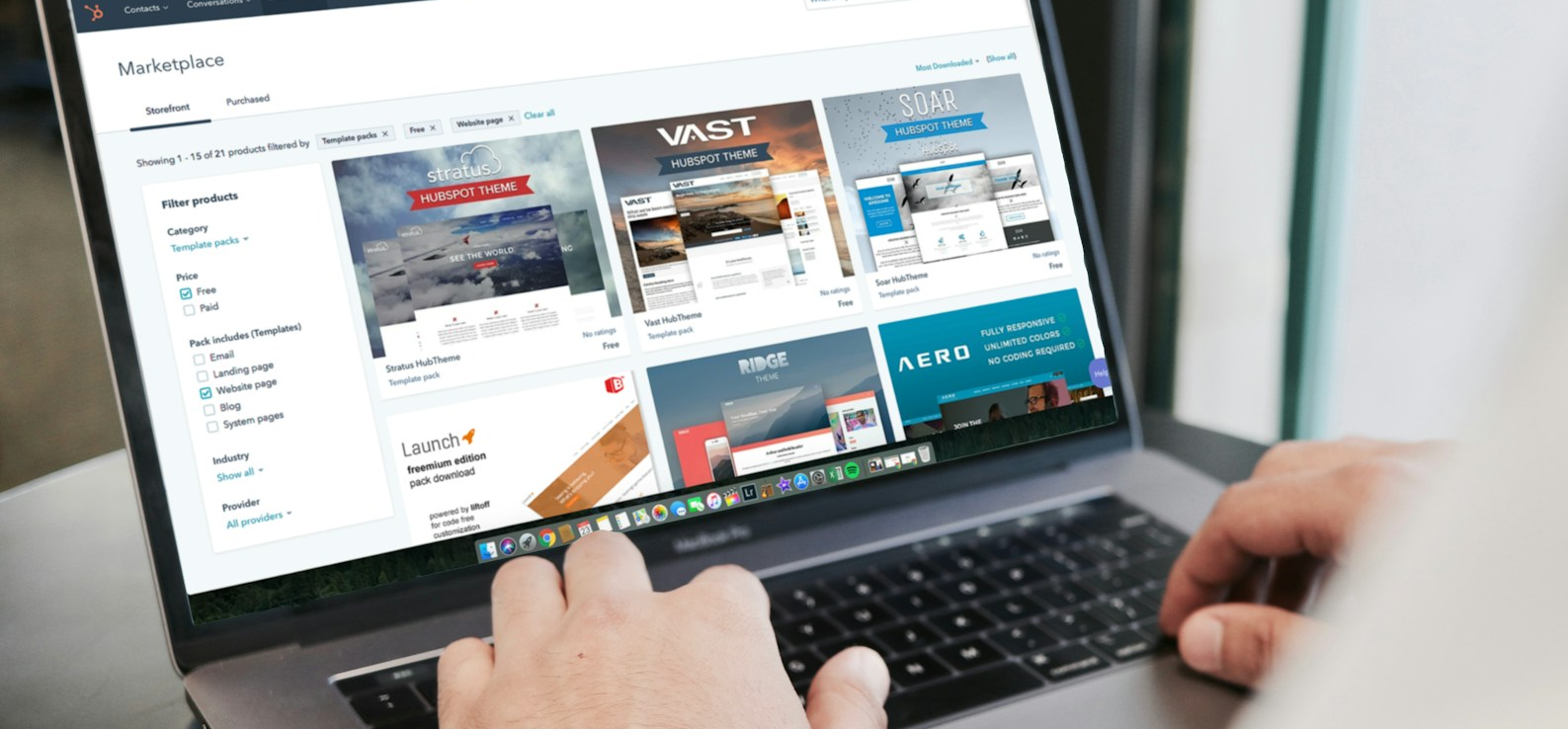
- The same website templates
- The same forms
- The same CRMs
- The same “one-size-fits-all” workflows
…then the customer experience you’re offering is fundamentally the same.
You may have better people. Better service. Better outcomes.
But online, none of that is visible yet.
From the customer’s perspective, you’ve blended into the crowd.
Custom Software Isn’t About Reinventing the Wheel
Custom solutions aren’t about making things more complicated. They’re about being intentional where it counts.
You don’t need to custom-build everything.
But you should consider custom-building the parts that:
- Shape how customers first interact with you
- Remove friction from enquiries, quoting, or onboarding
- Reflect how your business actually operates - not how software assumes it should
- Turn your internal strengths into an external advantage
This is where even small differences compound.
A smarter form.
A more guided booking flow.
A tailored portal.
A system that responds differently based on who the customer is and what they need.
Individually, these things seem minor. Collectively, they change how your business feels to interact with.
Differentiation Is a System, Not a Slogan
Many businesses try to differentiate themselves with messaging alone:
“Better service.”
“More reliable.”
“Customer-focused.”
But real differentiation is experienced, not claimed.
When your systems support:
- Faster responses
- Clearer communication
- Less back-and-forth
- A sense that the process was designed for them
…customers notice - even if they can’t quite put their finger on why your business felt easier, smoother, or more professional.
That’s not branding.
That’s workflow design.
The Question Worth Asking
So the question isn’t:
“Are our workflows different enough to justify a custom solution?”
It’s:
“If we’re offering the same online experience as our competitors, how are we giving customers a reason to choose us?”
For businesses that rely on digital touchpoints, custom software isn’t about complexity - it’s about clarity, control, and creating an experience that reflects who you are, not what’s easiest to buy off the shelf.
And often, the biggest opportunities to stand out are hiding in plain sight - right at the very first click.