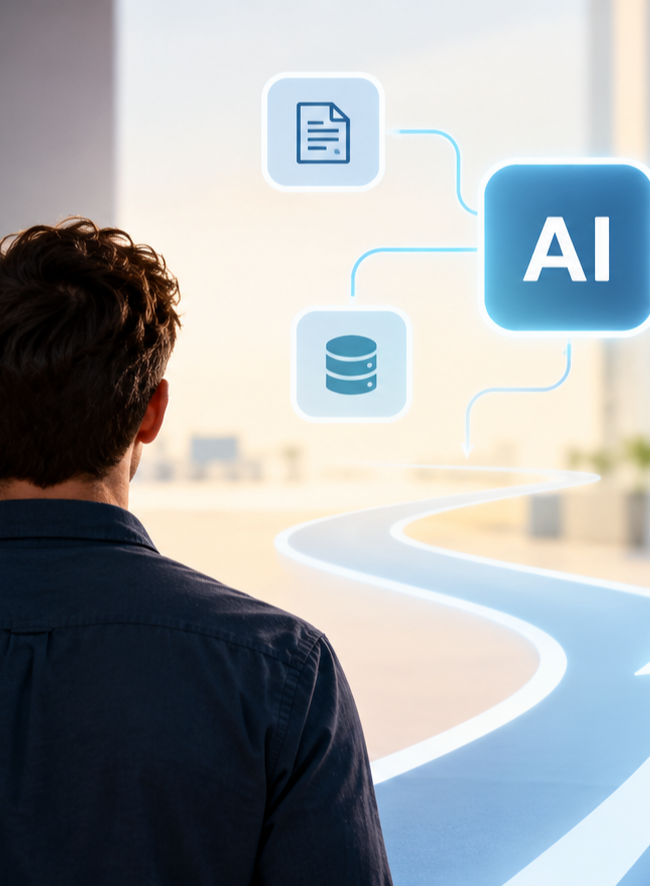
There’s a growing trend in the market right now: Businesses are using AI to build internal tools, customer platforms, and even full applications - often at a fraction of the traditional cost.
And to be clear - this is a good thing.
AI is an incredibly powerful tool. It's accelerating development, lowering barriers, and enabling ideas to come to life faster than ever before.
But in the rush to reduce costs, there’s a subtle misconception emerging: You’re not just replacing software. You’re replacing the professionals behind it.
Software Was Never Just Code
When businesses engage a software development team, they’re not just paying for code to be written.
They’re investing in:
- Experience
- Judgement
- Accountability
- Long-term thinking
The actual code is only one part of the outcome.
Behind every stable, scalable system is a team making continuous decisions about:
- Structure
- Trade-offs
- Risk
- Performance
- Maintainability
AI can generate code. But it doesn’t take responsibility for those decisions.
The Hidden Value of a Professional Team
When you work with an experienced software team, there’s a layer of value that often goes unseen - but becomes critical over time.
1. Thinking Beyond “Does It Work?”
A professional team doesn’t stop at functionality.
They ask:
- Will this scale?
- What happens under load?
- How will this evolve in 6–12 months?
- Where are the risks?
AI can help produce a working outcome. A team ensures it’s the right outcome.
2. Designing for Change (Not Just Delivery)
All software changes. Constantly. New requirements, new integrations, new constraints.
Experienced developers design systems with this in mind:
- Clear structure
- Predictable patterns
- Flexibility where it matters
This is what makes future updates faster and safer. Without that foundation, every change becomes harder than the last.
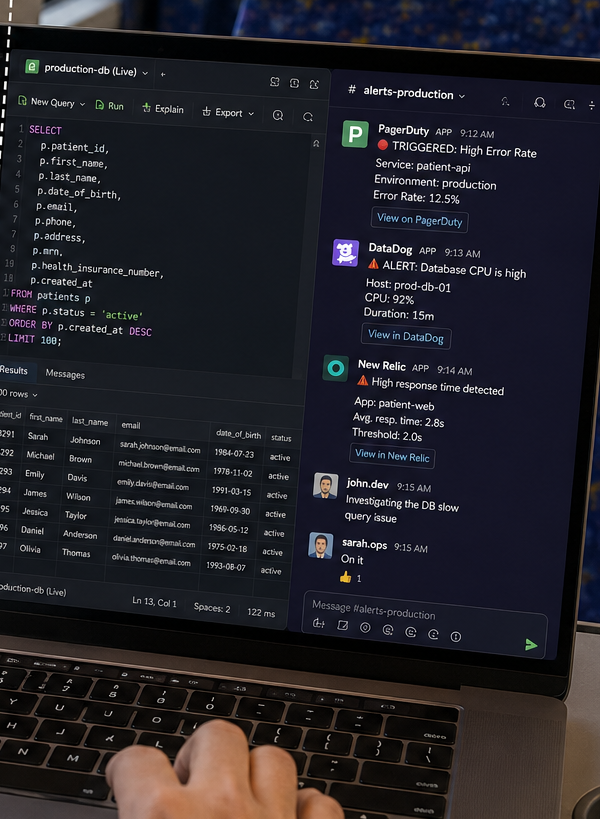
3. Accountability When Things Break
At some point, every system encounters issues. The difference is what happens next.
With a professional team:
- Problems are diagnosed quickly
- Root causes are identified
- Fixes are implemented with confidence
- Preventative measures are put in place
AI doesn’t own incidents. People do. There is no help desk for Open AI or for Claude Code!
4. Ongoing Maintenance Is Not Optional
Software isn’t a one-time investment. It requires:
- Monitoring
- Updates
- Security patching
- Performance tuning
A professional team doesn’t just build and walk away - they actively maintain and improve the system over time. This is where the real longevity of software comes from. And its important that this ongoing maintenance is done with consistency to the original requirements (something that AI tools have struggled with to date).
5. Business Context Matters
Good software isn’t just technically correct - it aligns with the business.
That means understanding:
- Operational workflows
- Industry constraints
- User behaviour
- Commercial priorities
AI doesn’t truly understand your business. A team does - and that shapes better decisions at every level.
AI Is a Force Multiplier - For the Right Team
The most effective use of AI isn’t replacing developers. It’s empowering experienced teams to move faster and smarter.
Used properly, AI can:
- Accelerate development
- Reduce repetitive work
- Improve efficiency
But it works best in the hands of people who:
- Know what to build
- Know how to validate it
- Know how to maintain it
The Real Question Isn’t Cost
It’s easy to ask:
“How much can we save by using AI?”
A better question is:
“What are we giving up by removing the team behind the software?”
Because what you’re really investing in isn’t just delivery.
It’s:
- Reliability
- Longevity
- Adaptability
- Confidence
Final Thought
AI is changing how software gets built - and that’s a positive shift. But great software has never just been about building.
It’s about:
- Making the right decisions
- Supporting the system over time
- Taking responsibility for outcomes
And that still requires people.