
Digital transformation is a term that gets thrown around a lot in construction, transport, and plant hire. Often, it simply means replacing paper forms with digital versions.
While that's an important first step, true transformation happens when technology doesn't just digitise a process - it fundamentally changes how a business operates.
That's exactly what happened at Eastern Plant Hire (EPH).
It Started With eDockets
Like many organisations in the transport and civil construction sectors, EPH relied heavily on manual paperwork to track work performed on-site.
Paper dockets created delays, administrative overhead, and limited visibility across projects. Information often moved slowly between drivers, site supervisors, clients, and internal operations teams.
The obvious solution was to digitise the docketing process.
Electronic dockets provided immediate benefits:
- Faster processing and approvals
- Reduced paperwork and administration
- Improved visibility of completed work
- Better record keeping and auditability
But as the platform evolved, it became clear that docketing was only one piece of a much larger operational challenge.
Looking Beyond Paper Replacement
The reality is that a plant hire business doesn't run on dockets alone.
Every day involves communication between drivers, operators, site supervisors, project managers, clients, and compliance teams. There are inductions to complete, fatigue requirements to manage, environmental obligations to meet, and operational data that needs to flow seamlessly between multiple stakeholders.
Rather than solving each problem with separate systems, EPH made the decision to build a connected digital platform that could support the entire operational workflow.
The goal wasn't just to eliminate paper.
The goal was to create a single source of truth for field operations.
Building a Connected Operational Platform
Over several years, the platform expanded to support critical operational functions across the business.
Real-Time Communication
Communication breakdowns are one of the biggest causes of delays and inefficiencies in construction and plant hire.
To address this, the platform introduced direct messaging capabilities between:
- Drivers
- Clients
- Site personnel
- EPH operations teams
This ensured critical information could be shared instantly without relying on disconnected phone calls, emails, or text messages.
Digital Check-In and Pre-Authorisation
Site access requirements can vary significantly between projects.
Digital check-in and pre-authorisation workflows allow workers and operators to complete required processes before arriving on site, reducing delays and improving compliance.
Site-Specific Video Inductions
Traditional induction processes are often time-consuming and difficult to track.
The platform allows project-specific video inductions to be delivered directly through the mobile application, ensuring operators receive the right information for the right site while maintaining accurate completion records.
Operator and Fleet Management
Managing operators across multiple projects and sites requires accurate visibility of qualifications, availability, and compliance requirements.
The platform provides tools to manage operators and equipment while maintaining operational oversight across the broader fleet.
Environmental Compliance Through EPA Integration
Environmental reporting requirements continue to grow across infrastructure and civil construction projects.
Integration with EPA systems helps streamline compliance processes and ensures required information is captured accurately and consistently.
Contactless eDocket Sign-Off
The original electronic docketing capability has continued to evolve.
Contactless sign-off processes allow work to be verified and approved digitally, reducing friction while maintaining accountability and auditability.
Fatigue Management
Safety remains a critical priority across the transport and construction sectors.
Integrated fatigue management capabilities help ensure operators remain compliant while giving management greater visibility into potential risks.
Payload and Compliance Management
Accurate payload tracking is essential for both operational efficiency and regulatory compliance.
The platform supports payload management processes while helping operators and managers maintain compliance requirements across projects.
Continuous Improvement at Scale
One of the most overlooked aspects of digital transformation is that it is never truly finished.
Business requirements change.
Client expectations evolve.
Regulatory requirements expand.
Operational challenges emerge.
Over the life of the platform, more than 1,060 Android and iOS application releases have been deployed.
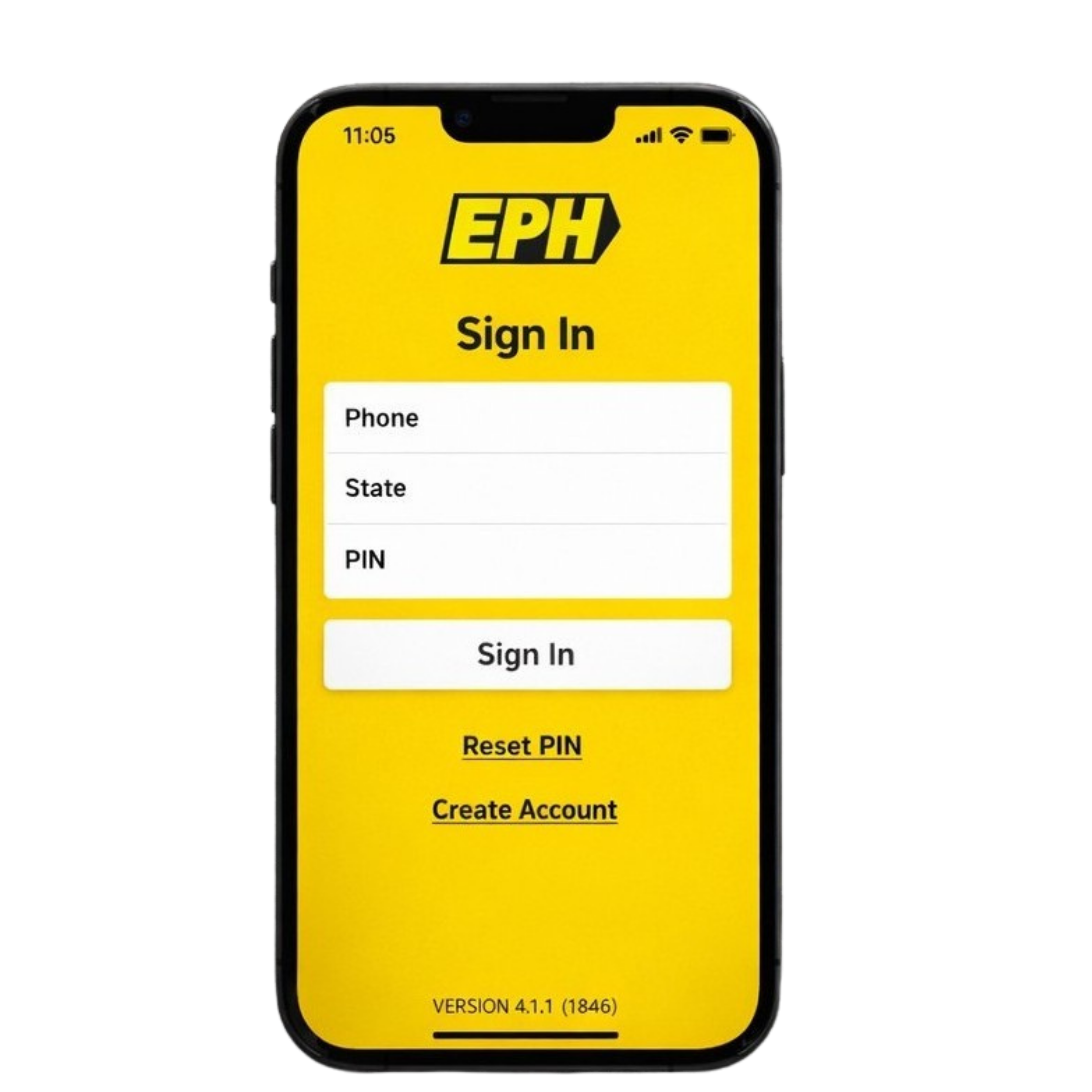
That number represents far more than software updates. It reflects years of collaboration between EPH's operational teams and software developers working together to continuously improve how the business operates.
Every enhancement, workflow improvement, compliance update, and user experience refinement contributes to a platform that becomes more valuable over time.
The Difference Between Digitisation and Transformation
Many organisations successfully digitise individual processes.
Few successfully transform how their entire operation functions.
Digitisation is replacing a paper form with a digital form.
Transformation is connecting people, processes, compliance requirements, operational data, and communication into a unified system that enables better decision-making and greater efficiency.
For EPH, electronic docketing was the starting point.
The real achievement was creating a platform that supports the complete operational lifecycle - from site induction and workforce management through to compliance, communication, and project delivery.
That's the difference between digitising paperwork and digitising an entire business operation.
And it's a powerful example of what can happen when technology is designed around operational outcomes, not just administrative convenience.